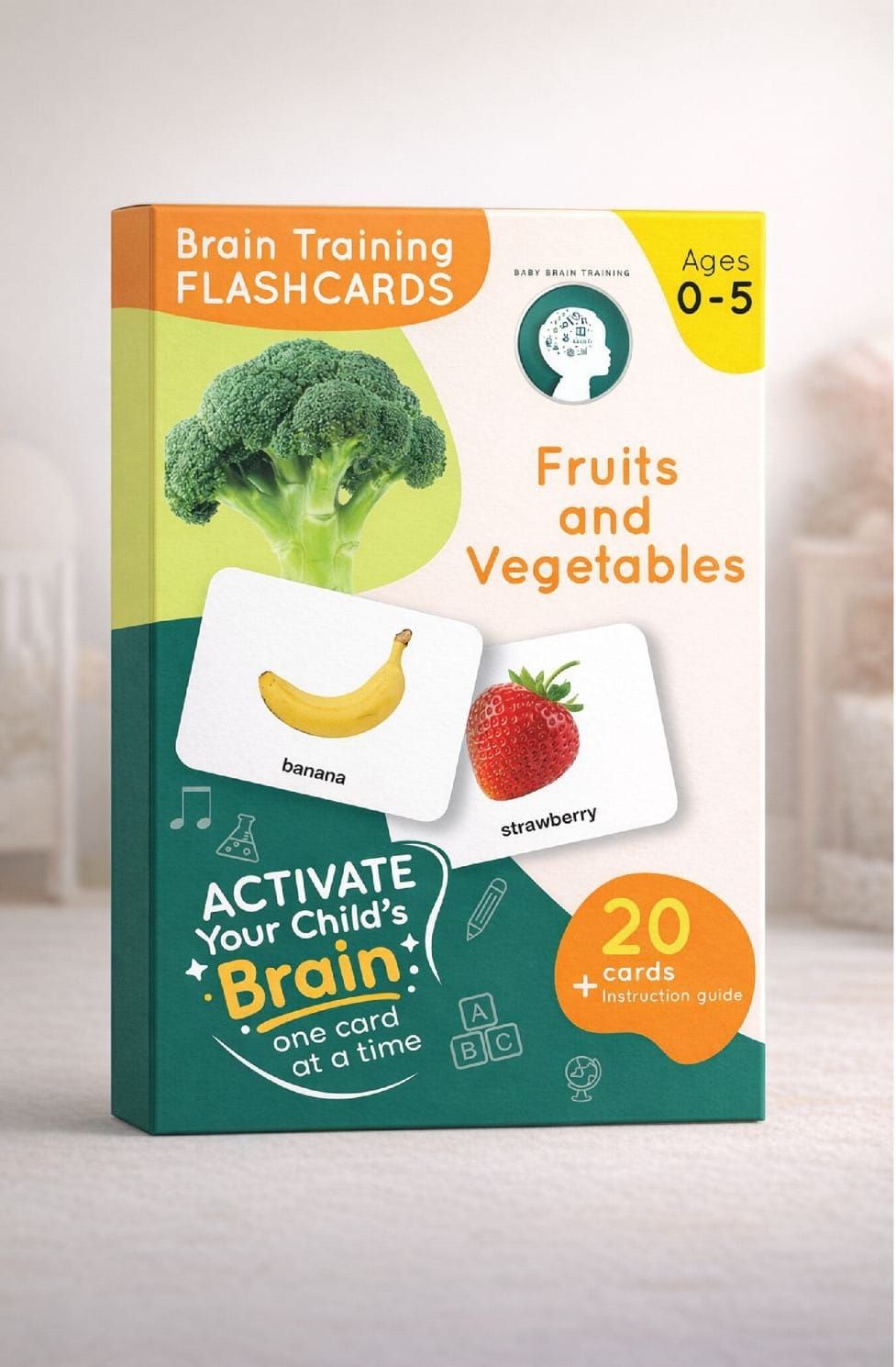
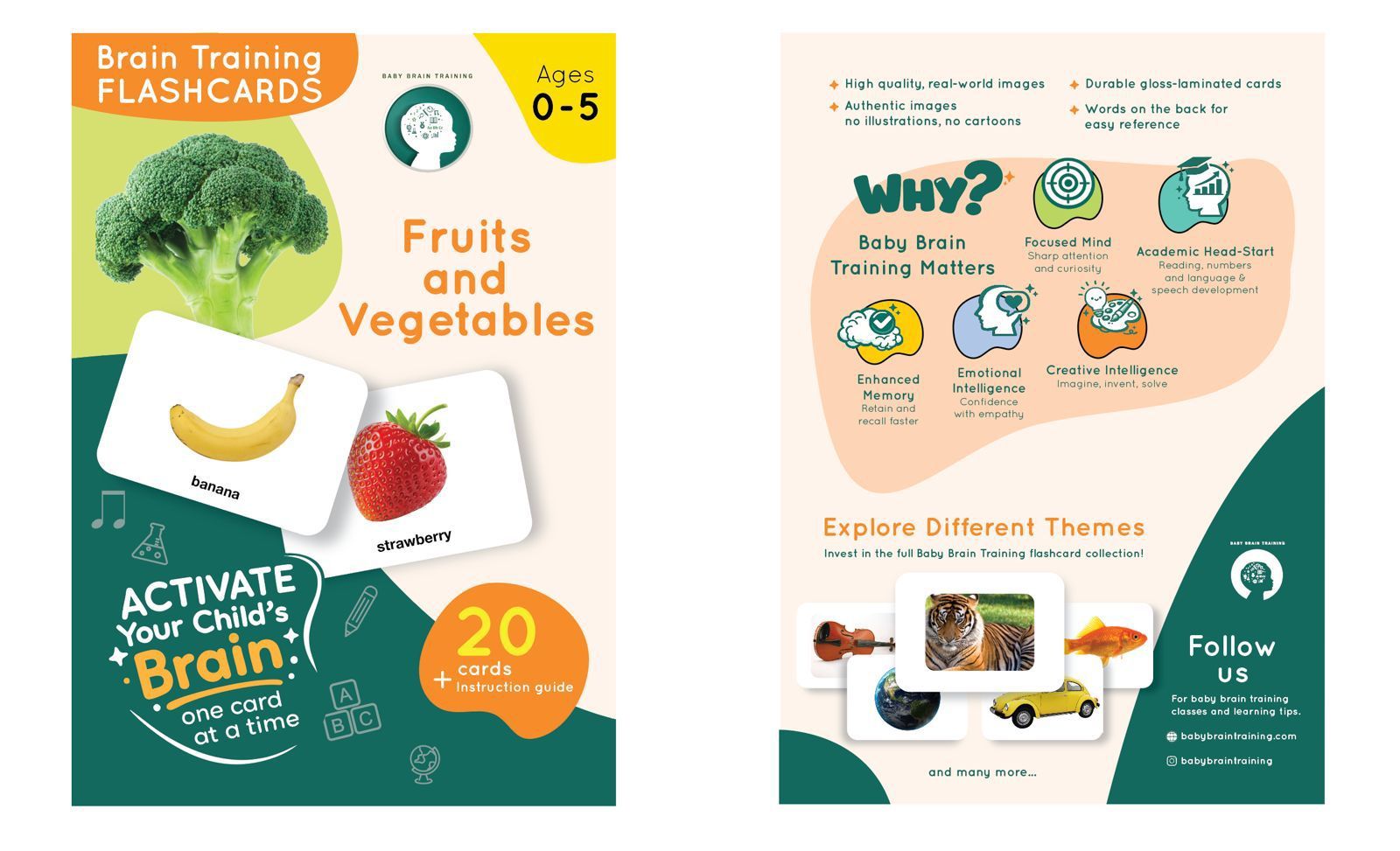



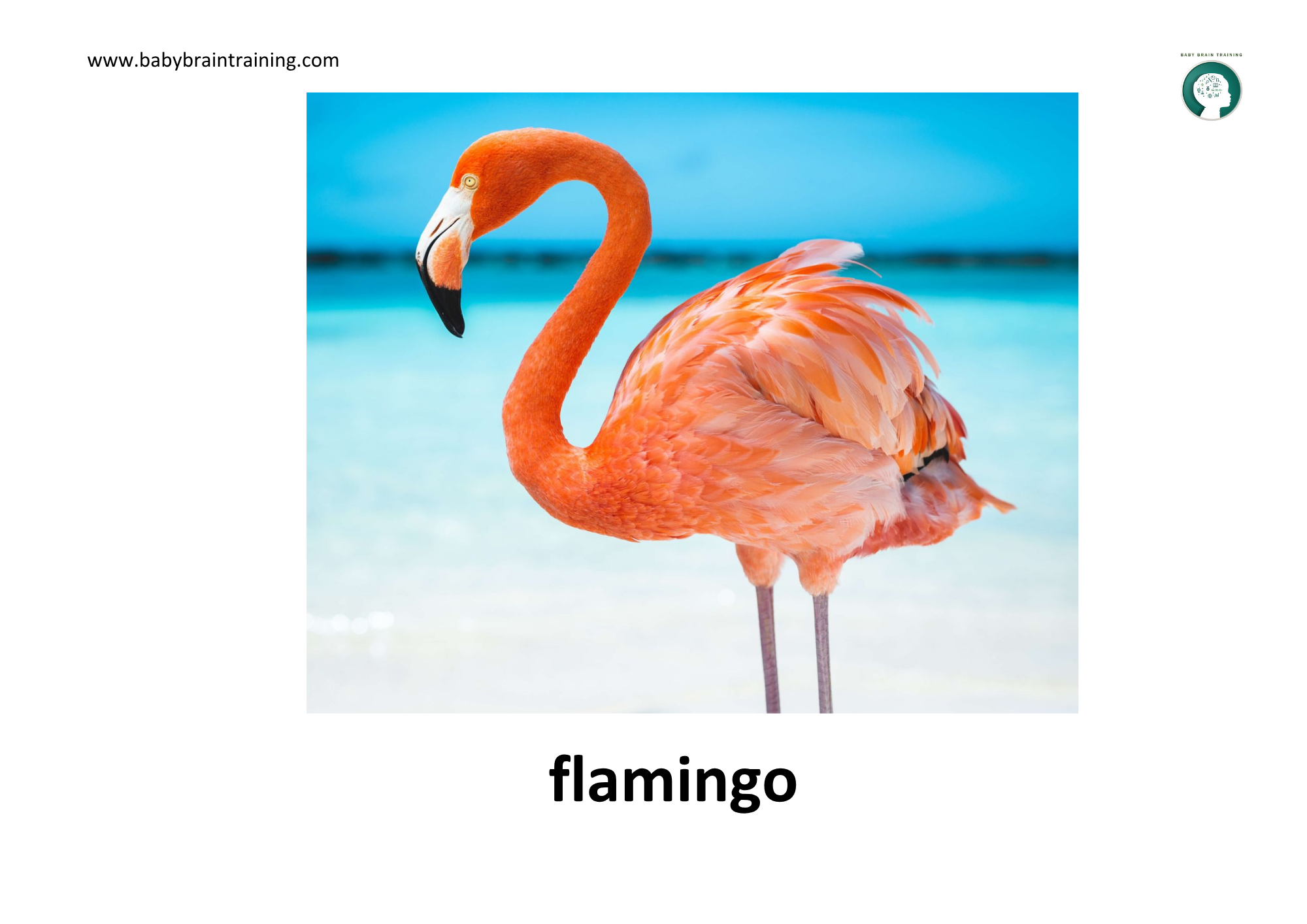
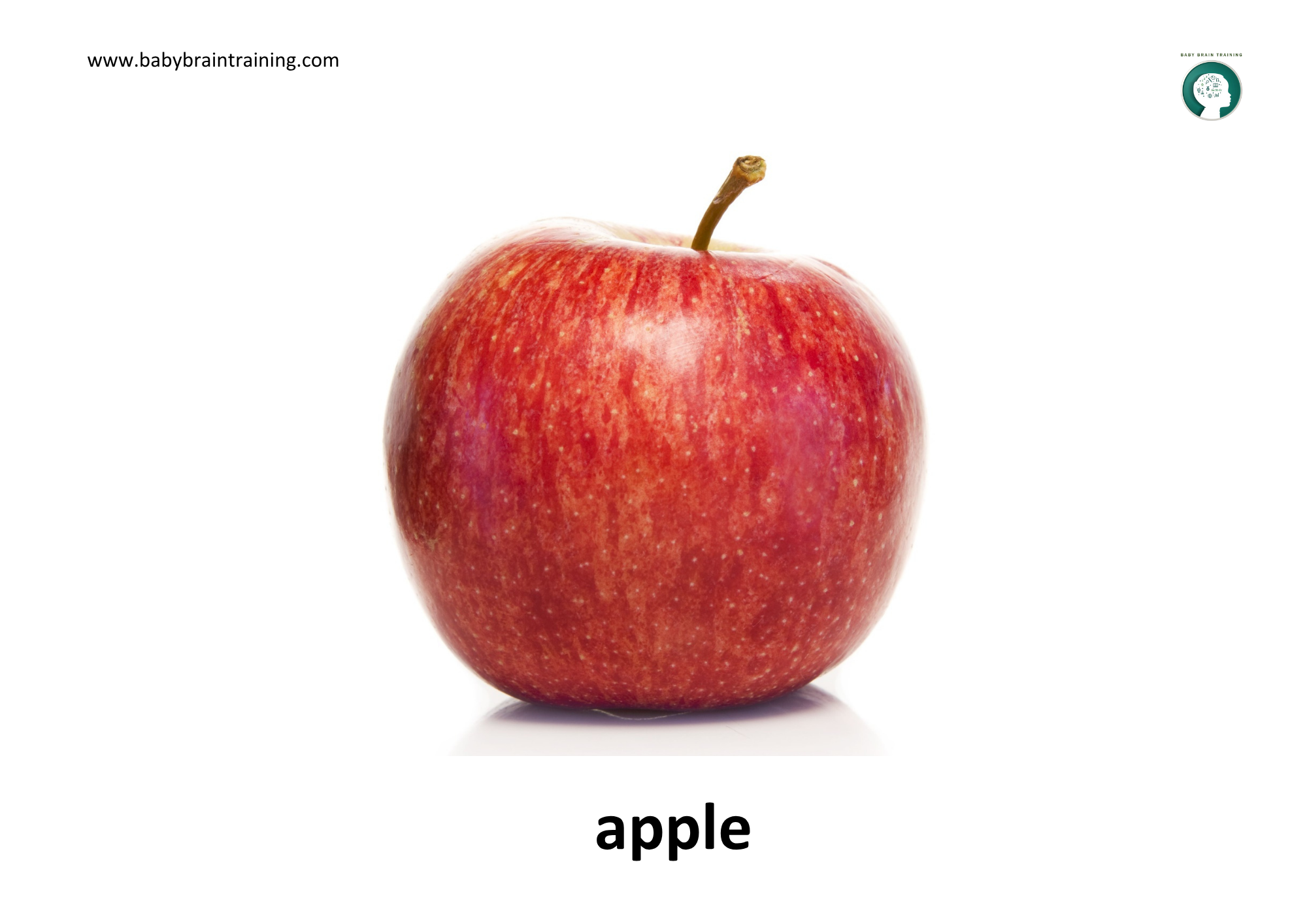
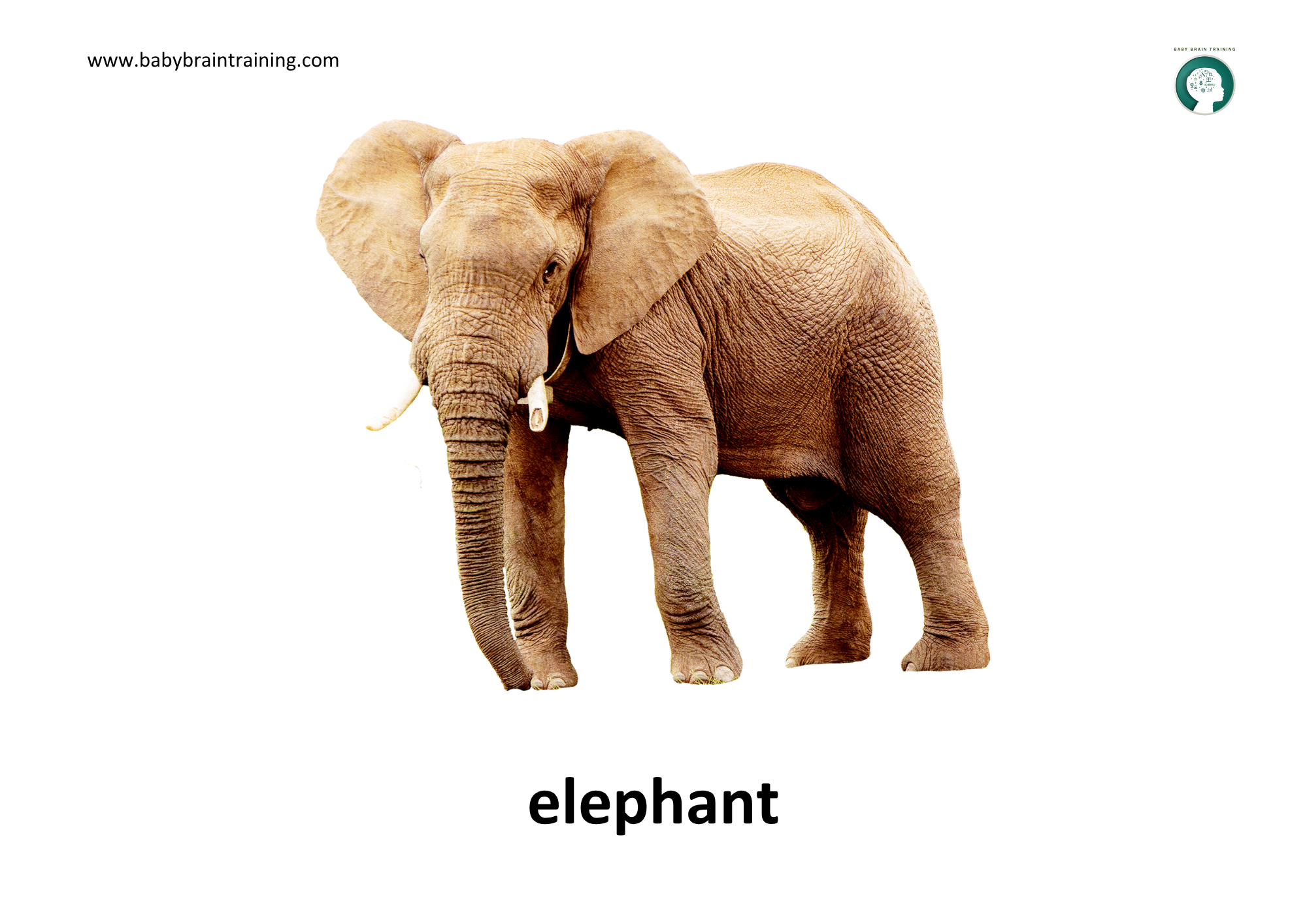
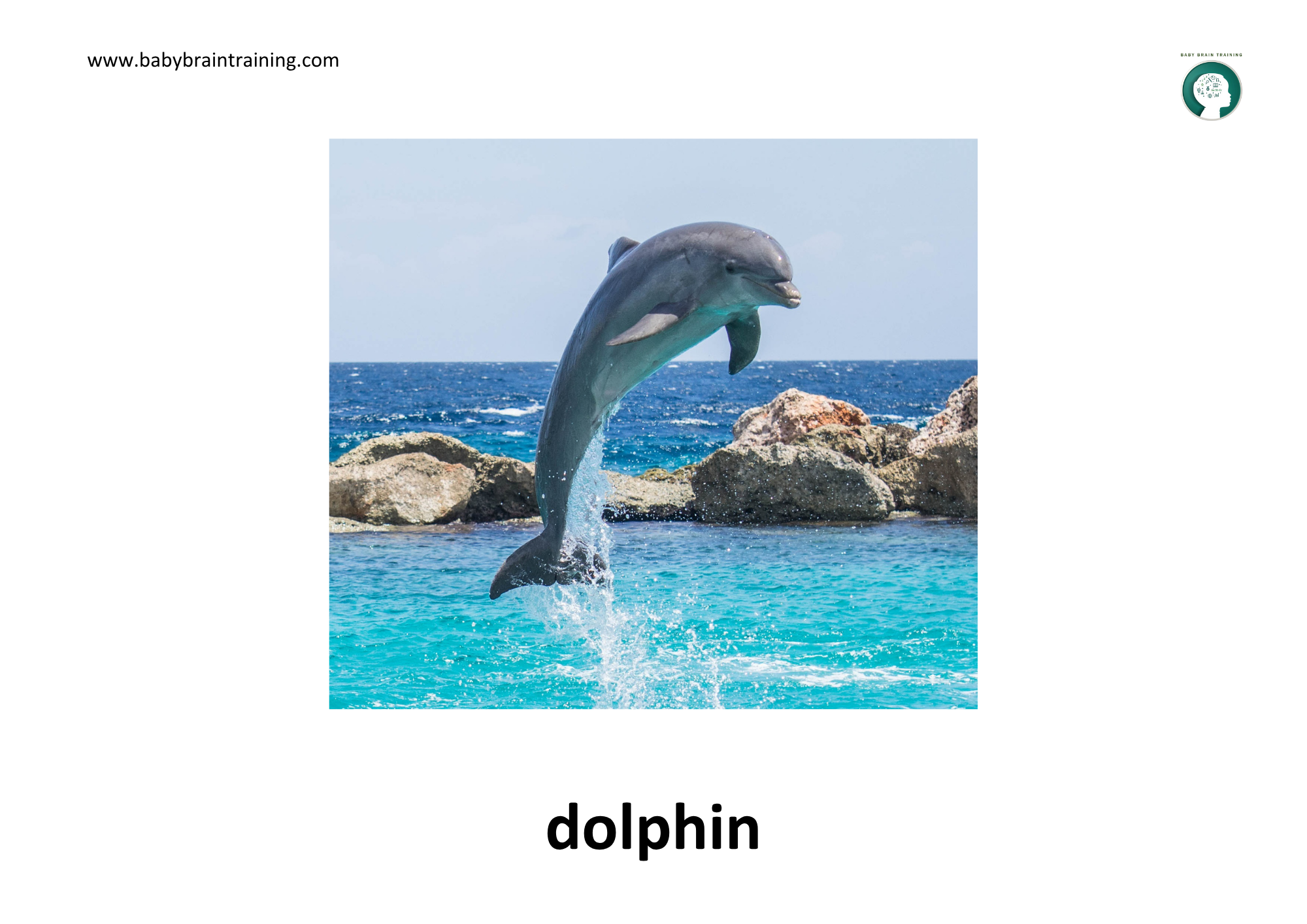
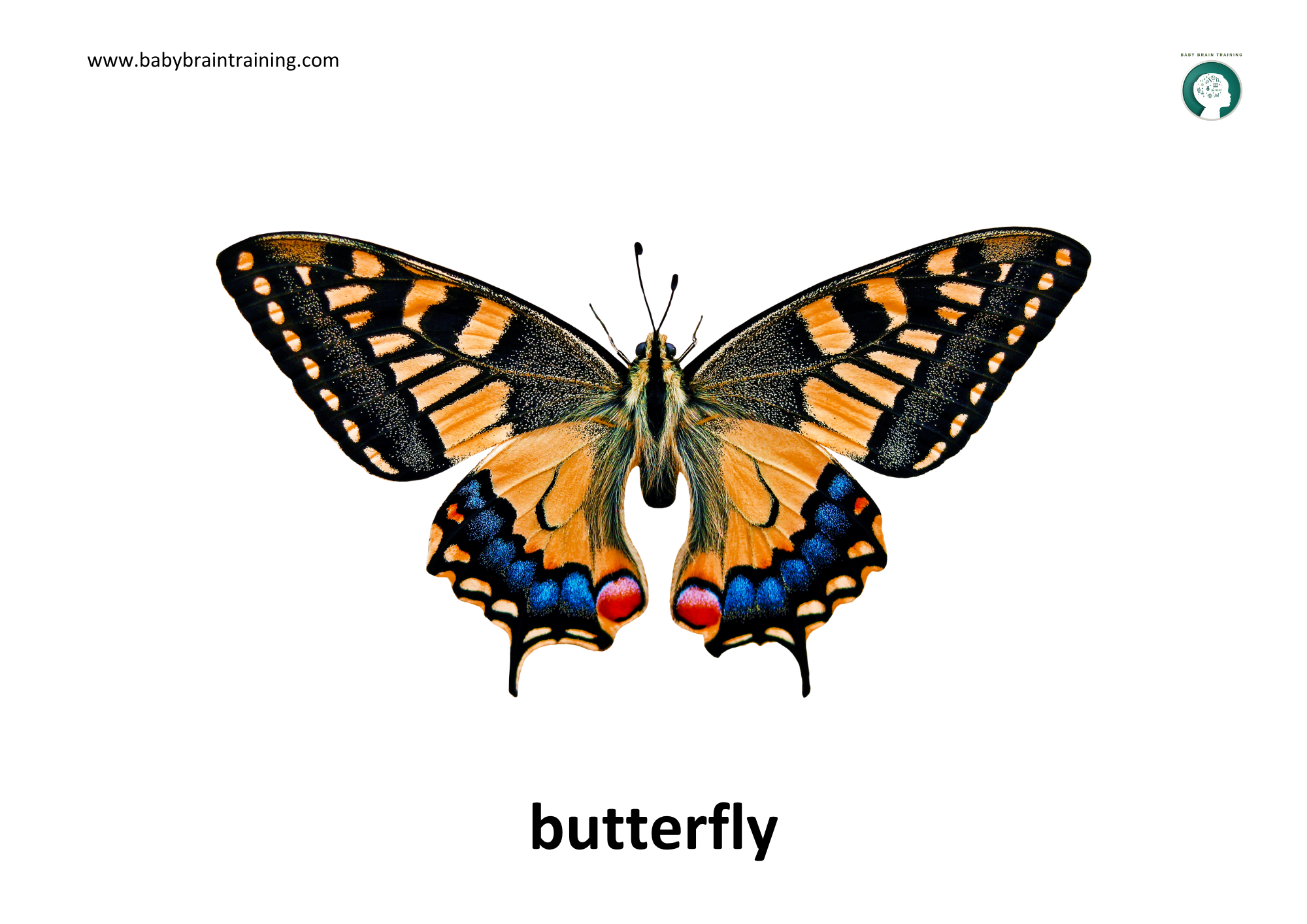
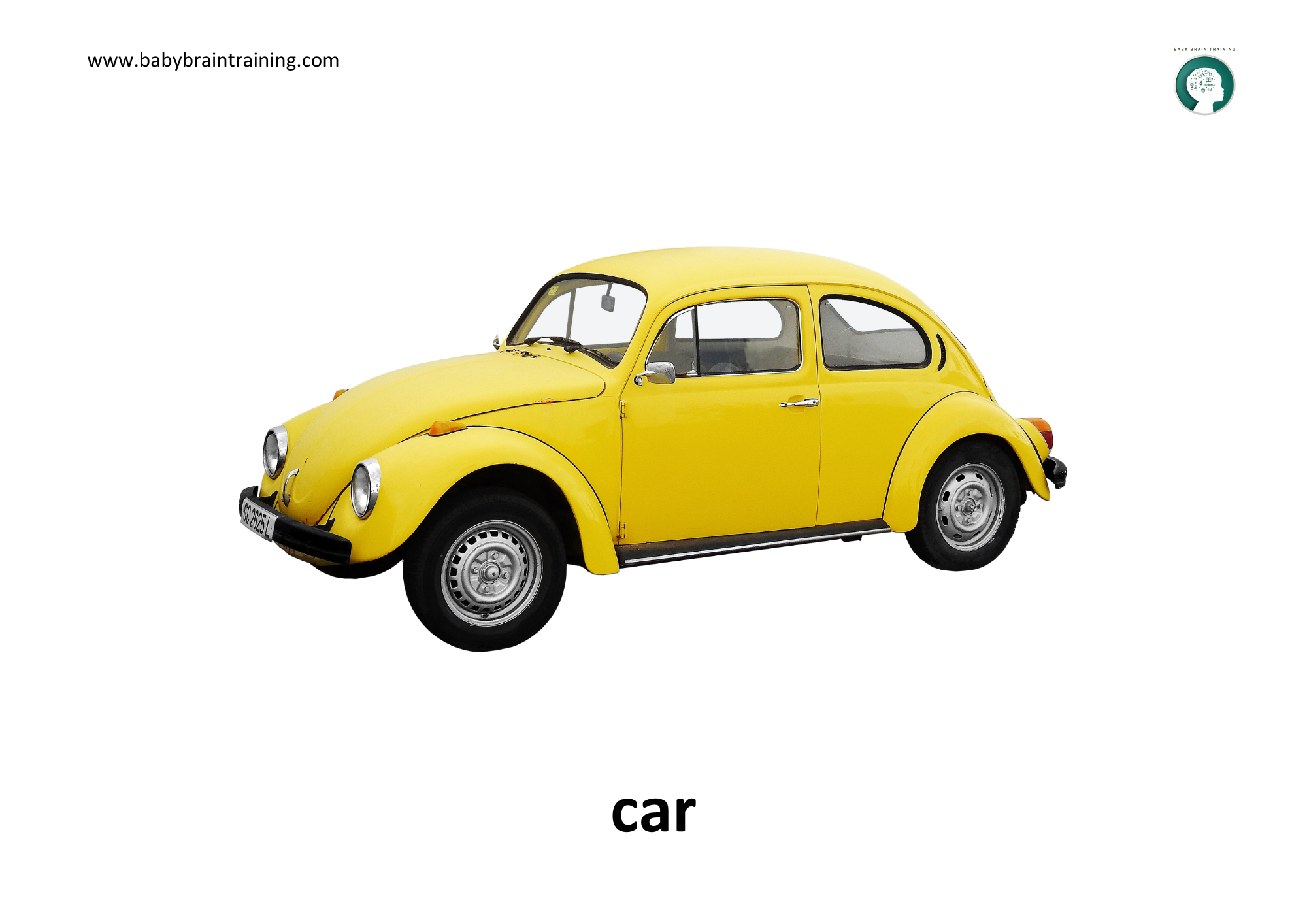

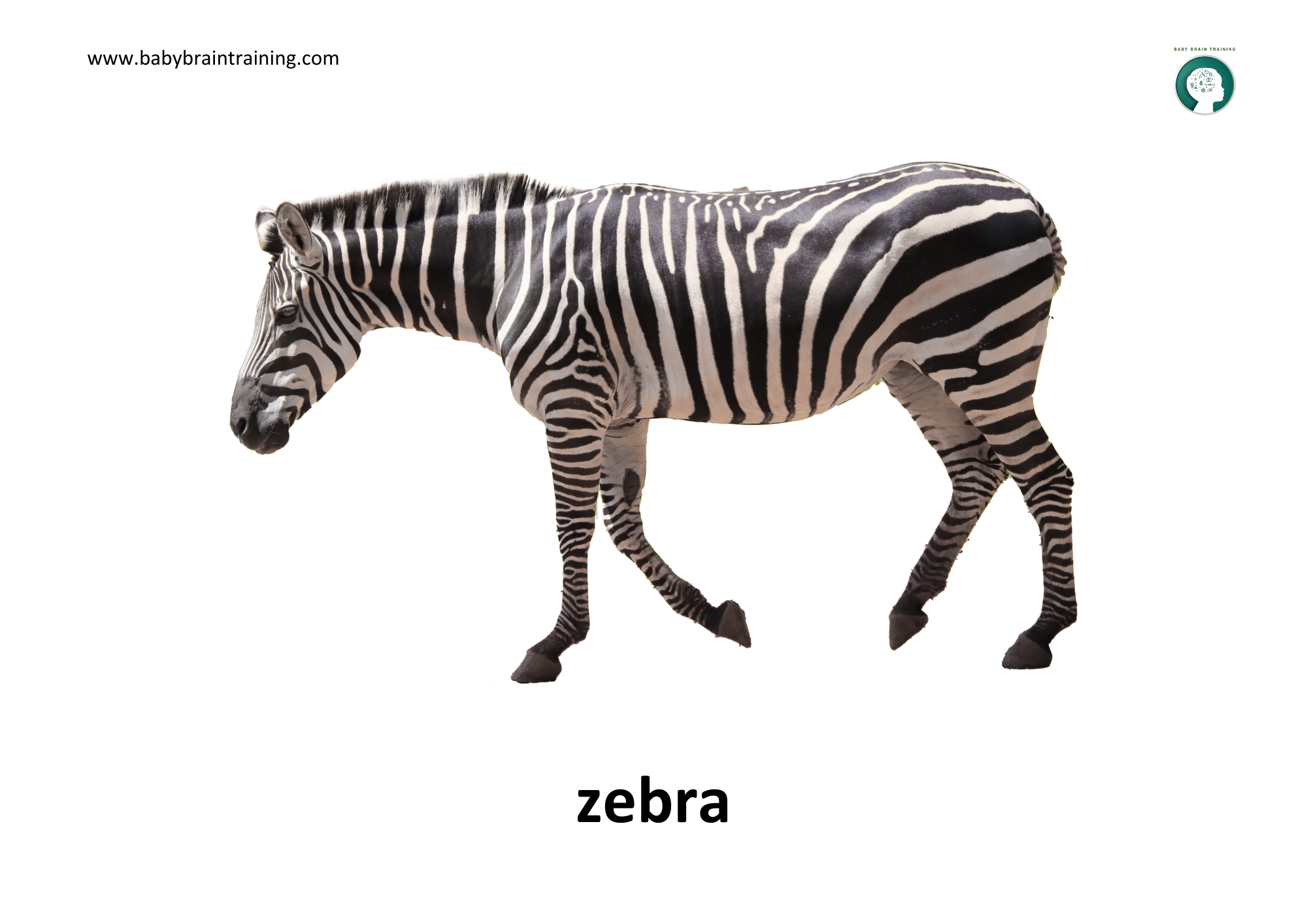
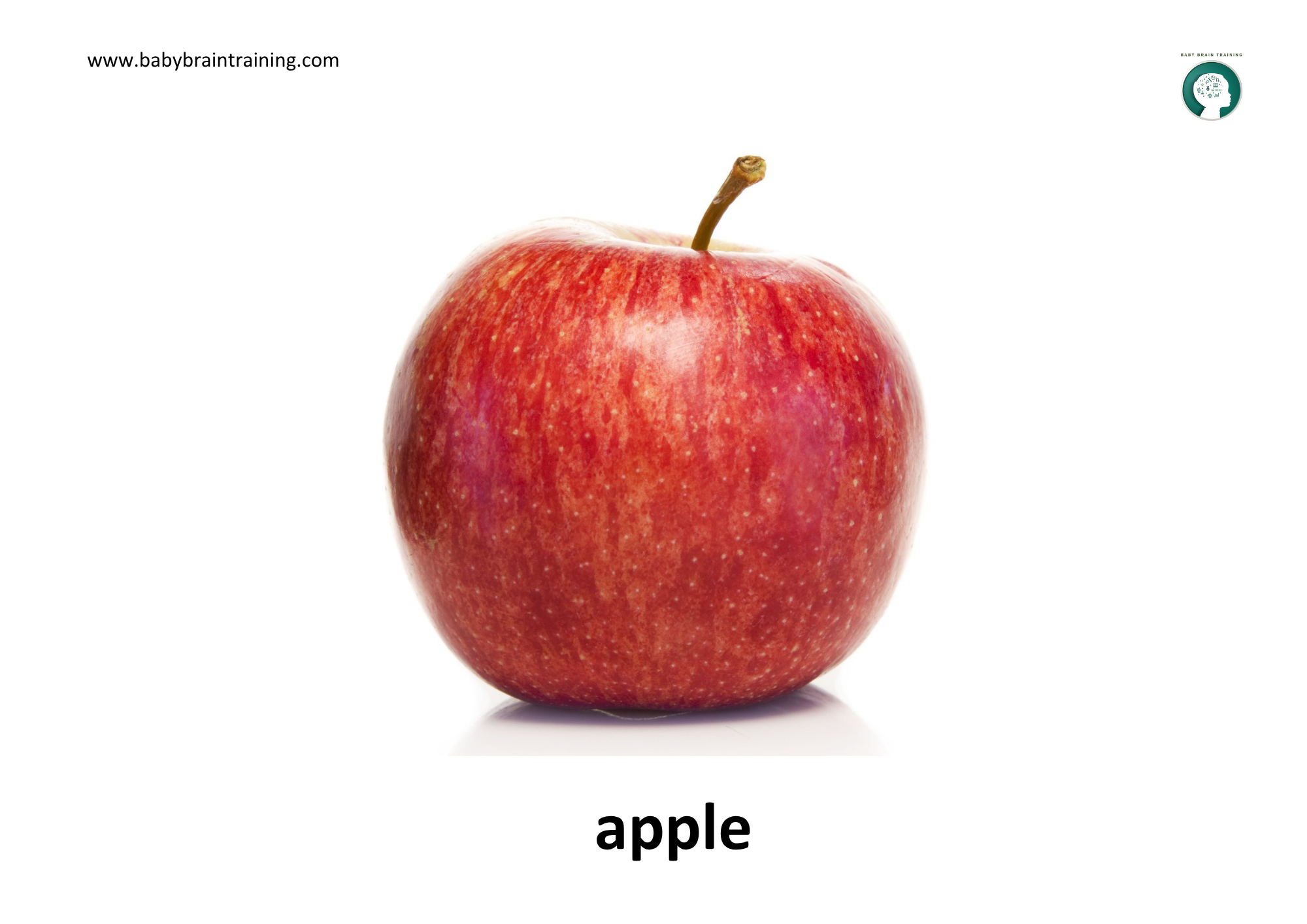

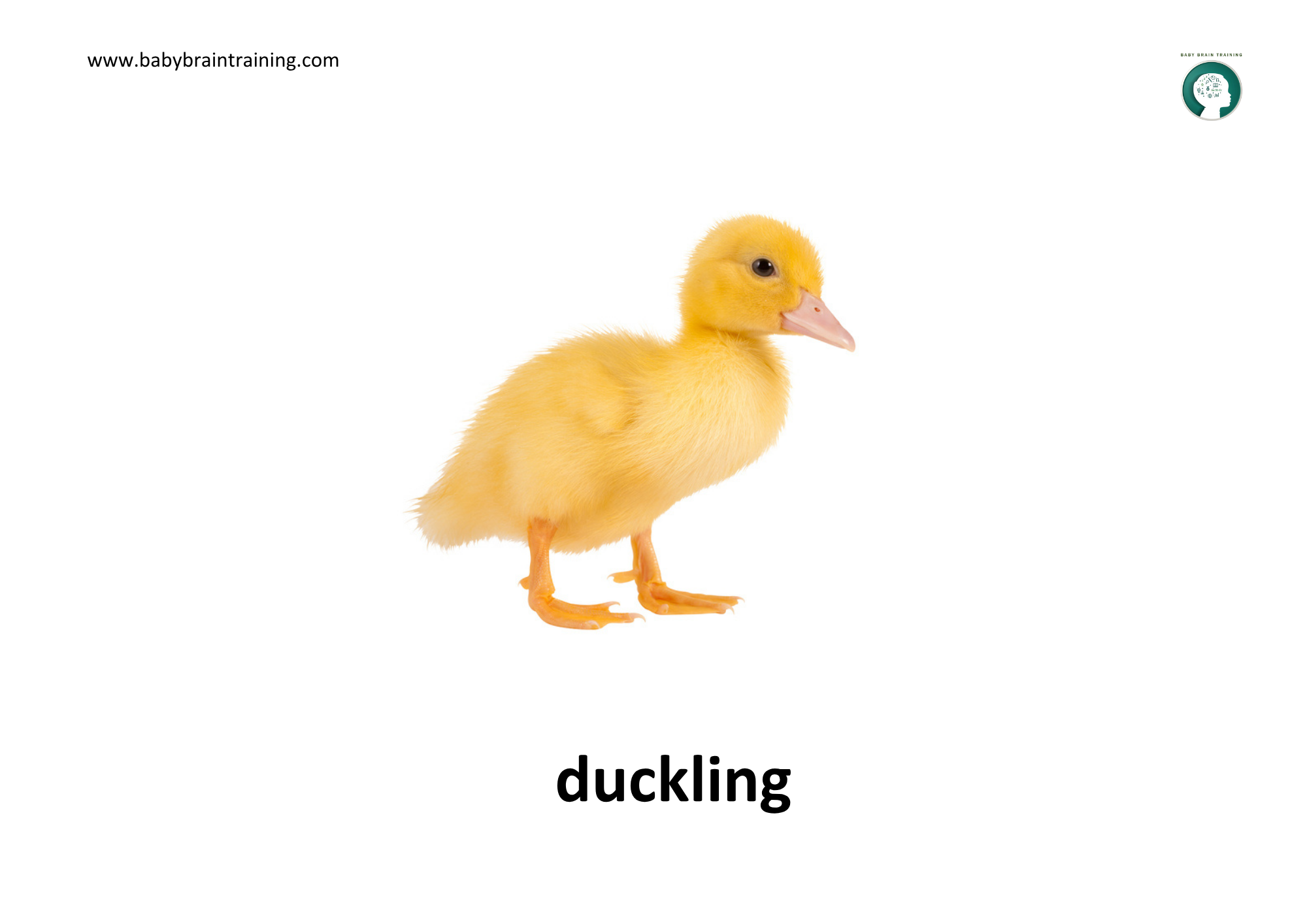
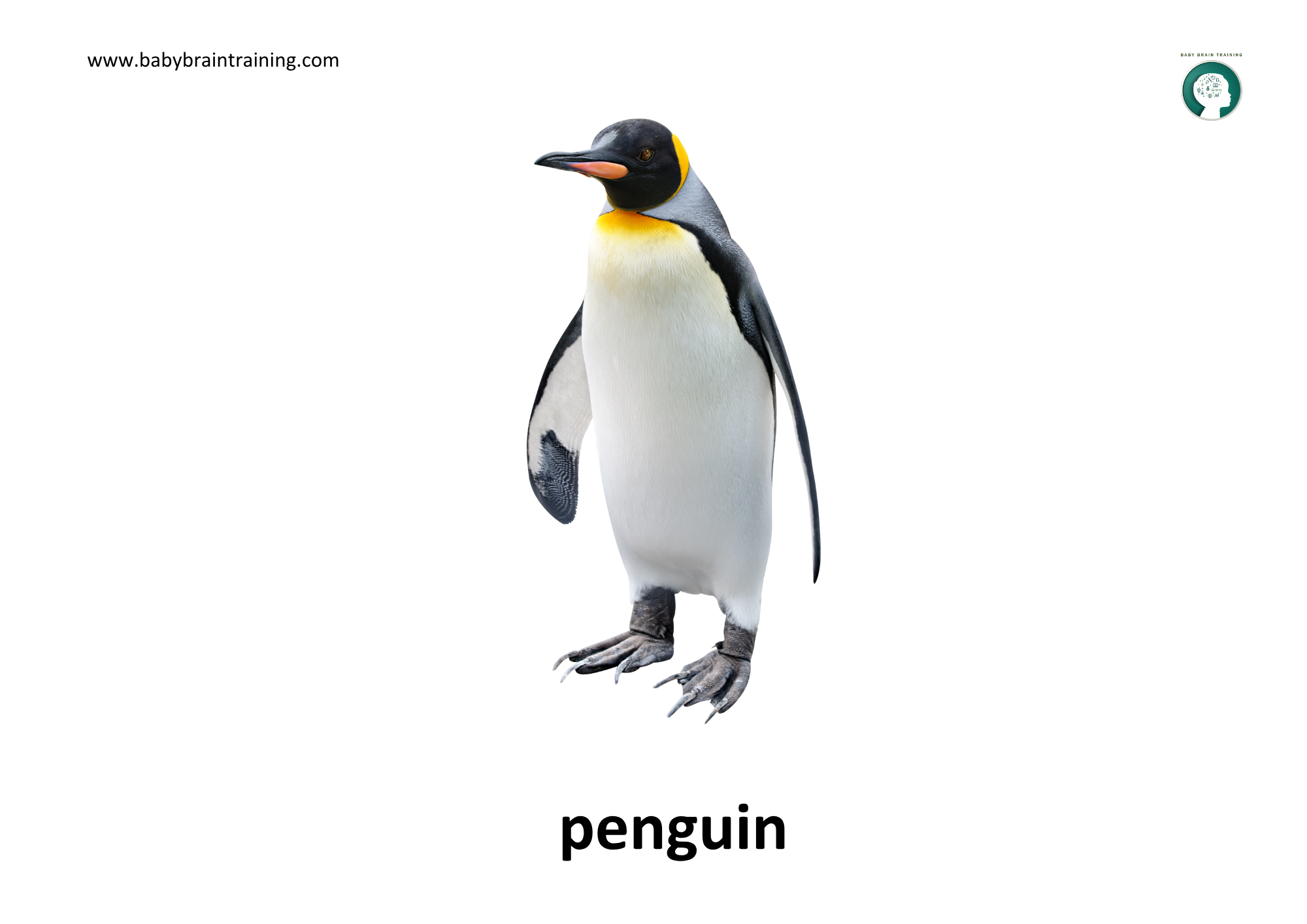
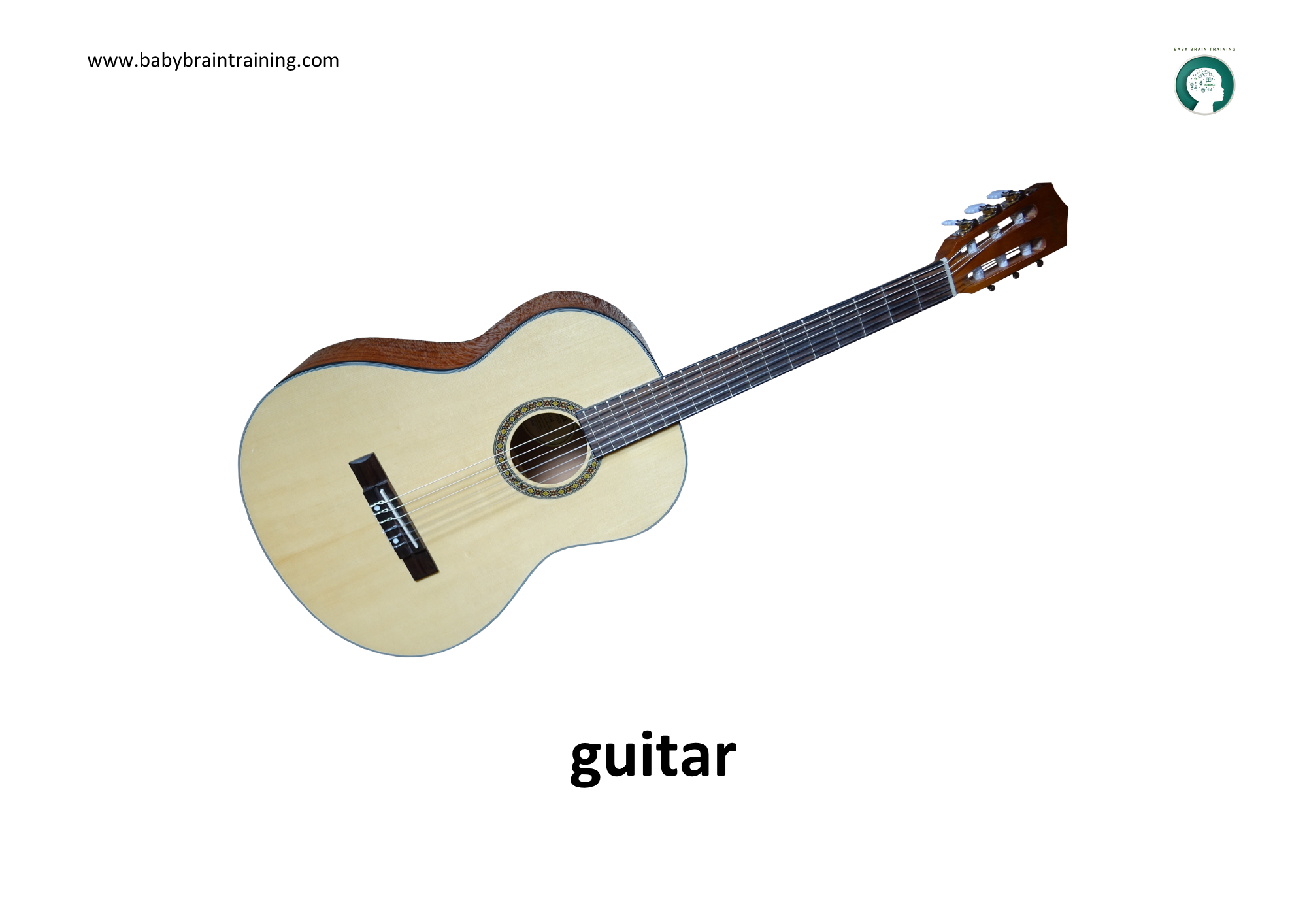
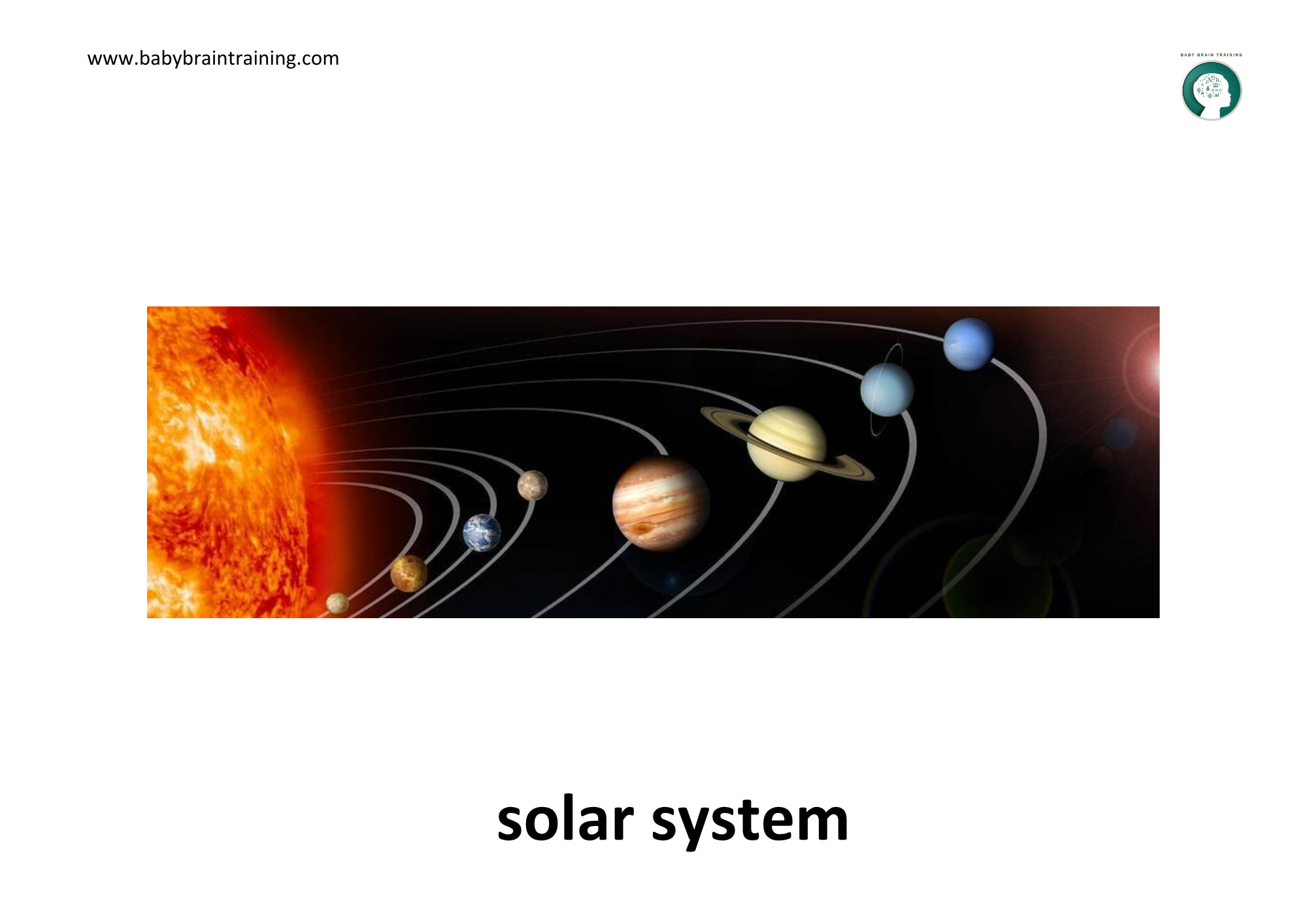
We have designed A4 & A5 double-sided coloured flashcards with real life images.
Our flashcards support language development, listening, communication, conversation, critical thinking and improved memory.
Research shows that exposing young minds to rich, real-world imagery and diverse vocabulary builds stronger neural connections, leading to:
Accelerated Language Development – Strengthen speech, comprehension, and communication skills from infancy.
Enhanced Cognitive Function – Improve memory, problem-solving, and pattern recognition.
Superior Visual & Auditory Processing – Train the brain to absorb and retain new information faster.
Increased IQ & Critical Thinking – Stimulate brain growth during peak neuroplasticity years.
14 Expert-Curated Sets for Maximum Brain Stimulation
1 – Fruits & Vegetables 

Boosts Food Recognition & Memory – Helps babies associate words with real-life objects, accelerating vocabulary growth.
Encourages Healthy Eating Habits – Early exposure increases familiarity, reducing picky eating tendencies.
Neuroscience Insight: Repeated visual exposure to healthy foods strengthens neural pathways related to preference formation (Dr. Marion Hetherington, Appetite Researcher).
2 – Shapes & Patterns 

Lays the Foundation for Mathematical Thinking – Helps babies recognize spatial relationships and geometry.
Develops Problem-Solving Skills – Supports reasoning by identifying similarities and differences.
Neuroscience Insight: Pattern recognition is linked to higher-order thinking and IQ development (Dr. Robert Siegler, Cognitive Psychologist).
3 – Farm Animals 

Strengthens Categorisation & Memory Recall – Helps babies learn to group and differentiate between animals.
Enhances Sound Recognition – Associating sounds with images strengthens auditory processing.
Neuroscience Insight: Categorisation skills improve cognitive flexibility and memory retention (Dr. Lisa Oakes, Infant Cognition Researcher).
4 – Transport 

Inspires Curiosity About the World – Introduces motion, mechanics, and different forms of travel.
Improves Early Word Association – Strengthens connections between visuals and spoken language.
Neuroscience Insight: Exposure to motion-based concepts enhances spatial intelligence (Dr. Nora Newcombe, Developmental Psychologist).
5 – Wild Animals 

Expands Knowledge of the Natural World – Fosters appreciation for biodiversity.
Enhances Visual & Auditory Learning – Associating images with animal sounds strengthens brain pathways.
Neuroscience Insight: Exposure to diverse visual stimuli improves object recognition and memory (Dr. Scott Johnson, UCLA Infant Cognition Lab).
6 – Calendar (Days of the Week / Months / Seasons) 


Develops Temporal Awareness – Introduces early concepts of time and routine.
Enhances Sequencing & Memory – Helps with understanding order and daily structure.
Neuroscience Insight: Learning temporal concepts early strengthens executive function and planning abilities (Dr. Adele Diamond, Neuroscientist).
7 – Sea Creatures 

Encourages Environmental Awareness – Teaches about marine ecosystems from an early age.
Enhances Visual Discrimination – Helps babies recognise diverse colours, shapes & textures of marine.
Neuroscience Insight: Early exposure to a variety of visuals enhances neural plasticity (Dr. Patricia Kuhl, Brain & Learning Scientist).
8 – Woodland Animals 

Promotes Knowledge of Local Wildlife – Helps children differentiate between habitats.
Improves Attention & Focus – Exposure to nature-related content supports concentration.
Neuroscience Insight: Nature imagery enhances relaxation and cognitive performance (Dr. Richard Louv, Nature & Child Development Expert).
9 – Earth / Countries 

Expands Global Knowledge – Introduces early geography and cultural awareness.
Improves Spatial Intelligence – Strengthens understanding of maps and locations.
Neuroscience Insight: Early geography learning enhances critical thinking and memory mapping (Dr. Barbara Tversky, Cognitive Psychologist).
10 – Space 

Sparks Curiosity & Scientific Thinking – Encourages an early interest in STEM subjects.
Introduces Abstract Concepts – Helps babies grasp big ideas like planets, gravity, and the universe.
Neuroscience Insight: Introducing abstract thinking early strengthens problem-solving skills (Dr. Alison Gopnik, Developmental Psychologist).
11 – Clothing 

Enhances Everyday Vocabulary – Teaches the names and functions of clothing items.
Encourages Independence – Supports dressing skills and self-awareness.
Neuroscience Insight: Learning self-care vocabulary strengthens social and emotional development (Dr. Lev Vygotsky, Developmental Theorist).
12 – Instruments 

Develops Auditory Processing Skills – Strengthens connections between sound and meaning.
Improves Hand-Eye Coordination – Encourages early interest in musical play.
Neuroscience Insight: Musical training improves brain plasticity and enhances language skills (Dr. Nina Kraus, Neuroscientist).
13 – Famous Composers 

Expands Cultural Knowledge – Introduces classical music and its greatest minds.
Boosts Pattern Recognition & Memory – Helps babies recognise melodies and rhythms.
Neuroscience Insight: Early exposure to classical music strengthens cognitive flexibility and IQ (Dr. Frances Rauscher, Music & Brain Researcher).
14 – Famous Artists 

Encourages Creativity & Expression – Introduces different artistic styles and techniques.
Improves Visual Perception – Infants have immature visual systems that are still developing. Stimulation with different colours, palettes and textures improve their cognitive visual function.
Neuroscience Insight: Dr. Semir Zeki: Art appreciation enhances neural plasticity.
15 – Music / Notes 
Builds neural pathways – strengthens cognitive abilities like language, memory, and problem-solving.
Exposure to musical patterns, rhythms, and pitches helps babies develop crucial skills for processing sounds and, later, understanding language.
Neuroscience Insight: (Dr. Aniruddh Patel: Music training enhances cognitive development)
Order Form


Then click below to make payment via Paypal or, if you selected Bank Transfer then we will send you the BACS details by email. After order and payment is received, we will send you an order confirmation email.
Orders can take up to 4 weeks to fulfill.
Deliveries are made in person where possible, otherwise by recorded courier to UK mainland addresses or UAE. Prices above exclude UAE postage costs.
All purchases are subject to our Terms & Conditions.
 Baby Brain Training